

Make the Most of the Vision You Have
Vision loss can make everyday activities, from reading a book to recognizing familiar faces, more challenging. Even when glasses, contact lenses, or surgery cannot fully restore your vision, there may still be ways to make daily life easier.
At Vision Therapy Institute, low vision care focuses on helping you make the most of your remaining vision, maintain independence, and continue enjoying the activities that matter to you. Through personalized recommendations and practical strategies, we help you find ways to navigate daily challenges with greater ease.
Contact us to learn how low vision care can support you or a loved one.




What Is Low Vision Care?
Low vision care helps people with significant vision loss make better use of the vision they have. When vision cannot be fully corrected with traditional glasses, contact lenses, or surgery, specialized assessments and visual aids may help you manage everyday tasks.
Rather than focusing only on how clearly you can read an eye chart, low vision care considers how you use your vision in daily life.
Our goal is to help you:
- Manage everyday activities: Find practical ways to approach reading, cooking, and other daily tasks.
- Maintain independence: Explore tools and strategies that support your daily routines.
- Stay connected: Find ways to enjoy hobbies, recognize loved ones, and participate in activities that are important to you.
- Adapt to vision changes: Learn about available resources and approaches that may make daily life easier.
Who Can Benefit From Low Vision Care?
Low vision care may help people living with a variety of eye conditions or injuries that affect their sight, including:
- Age-related macular degeneration (AMD): Difficulty seeing fine details, reading, or recognizing faces.
- Glaucoma: Reduced peripheral vision or difficulty navigating unfamiliar spaces.
- Diabetic retinopathy: Changes in central or peripheral vision that affect daily activities.
- Retinitis pigmentosa: Difficulty seeing in low light or navigating in dim environments.
- Stroke or brain injury: Visual changes that affect how you interpret or navigate your surroundings.
- Inherited or congenital eye conditions: Long-term vision challenges that affect everyday tasks.
If vision loss affects your quality of life, a low vision evaluation may identify additional ways to support your needs, even if other treatments haven’t restored your sight.
How Can Low Vision Care Help?
Vision loss affects everyone differently. You may find certain tasks more difficult than others, depending on your condition and the type of vision you have remaining.
Low vision care can help address challenges such as:
- Reading difficulties: Explore magnification and other tools for reading books, mail, menus, and labels.
- Recognizing faces: Find strategies and resources that may make recognizing people easier.
- Using digital devices: Explore accessibility features on phones, tablets, and computers.
- Glare and light sensitivity: Identify lighting adjustments and other options that may improve visual comfort.
- Hobbies and daily activities: Find practical ways to adapt activities you enjoy.
- Getting around safely: Explore strategies and resources to support navigation and mobility.
Recommendations depend on your remaining vision, personal goals, and daily challenges.

Our Approach to Low Vision Care
At Vision Therapy Institute, we look beyond vision measurements to understand how your sight affects your everyday life. Your care is centered on your needs, priorities, and the activities you want to continue enjoying.
Our approach includes:
- Personalized recommendations: Focus on the challenges that matter most to you.
- Practical solutions: Explore visual aids, accessibility tools, and strategies for daily activities.
- Collaborative care: Coordinate with your other eye care providers and medical specialists when appropriate.
- Realistic expectations: Understand what available options may help you accomplish and where additional support may be beneficial.
Vision loss can change how you approach daily life, but you do not have to navigate those changes alone.
What to Expect During a Low Vision Evaluation
Your low vision evaluation focuses on understanding how your remaining vision affects your everyday life and identifying practical ways to address your challenges.
During your visit, we may discuss:
- Your vision and eye health: Review your visual needs and relevant eye health history.
- Your daily challenges: Talk about activities you find difficult, from reading to navigating your surroundings.
- Your personal goals: Identify tasks and activities you would like to manage more easily.
- Your options for support: Discuss appropriate visual aids, adaptive strategies, and additional resources.
Your recommendations will be tailored to your needs, with the goal of helping you make the most of your remaining vision.
Is Low Vision Care Right for You?
If vision loss is making everyday activities more difficult, low vision care may help you explore new ways to approach those challenges.
Schedule an appointment with Vision Therapy Institute in West Columbia to discuss your needs and learn about options for supporting your independence and quality of life.
Frequently Asked Questions
What is considered low vision?
Low vision refers to vision loss that cannot be fully corrected with standard glasses, contact lenses, medication, or surgery. It can affect activities such as reading, recognizing faces, and navigating your surroundings.
Can low vision be treated?
Low vision care does not necessarily restore lost sight. However, specialized visual aids, accessibility tools, and practical strategies may help you use your remaining vision more effectively and manage daily tasks.
Who should consider a low vision evaluation?
Anyone whose vision loss makes everyday activities difficult may benefit from an evaluation. This includes people with conditions such as macular degeneration, glaucoma, diabetic retinopathy, and certain neurological injuries.
What happens during a low vision evaluation?
Your provider will discuss your vision, daily challenges, and personal goals. The evaluation helps identify appropriate tools, strategies, and resources based on your individual needs.
Can low vision care help me remain independent?
Low vision care can help you explore ways to manage everyday activities, adapt your routines, and make better use of your remaining vision. The options available will depend on your visual abilities and individual circumstances.
Should I still see my regular eye doctor?
Yes. Low vision care complements ongoing eye health management rather than replacing it. Continue seeing your eye care provider for monitoring and treatment of your underlying eye condition as recommended.
How do I get started with low vision care?
Contact Vision Therapy Institute to schedule an appointment and discuss your visual needs. Our team can help you understand the evaluation process and explore appropriate next steps.
Our Location
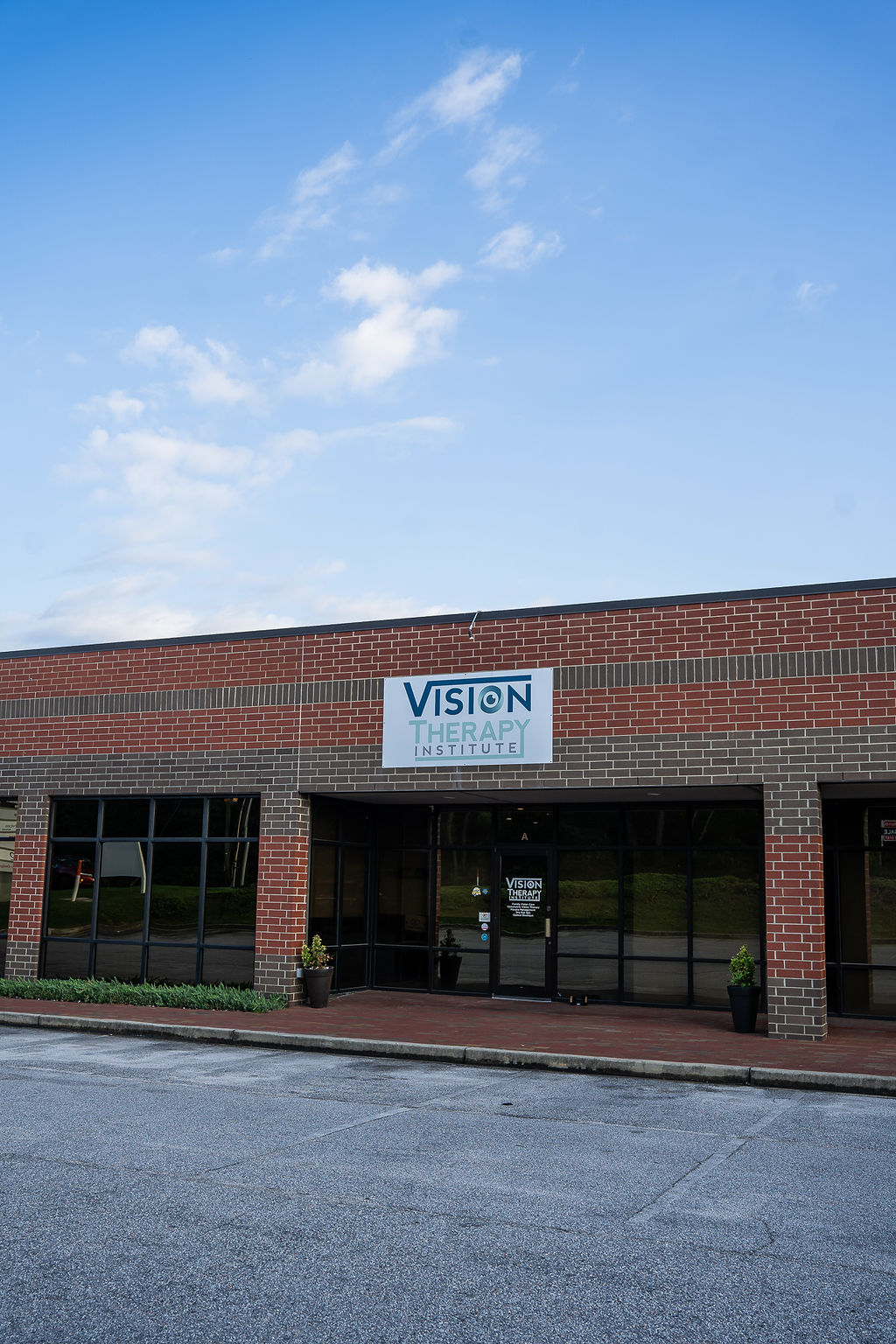
OUR ADDRESS
- 3618 Sunset Blvd, Suite A
- West Columbia, SC 29169
CONTACT INFORMATION
- Phone: 803-732-4099
- Fax: 803-227-8992
- Email: [email protected]
Office Hours
- Monday: 8:30 AM – 6:00 PM
- Tuesday: 8:30 AM – 6:00 PM*
- Wednesday: 8:30 AM – 6:00 PM
- Thursday: 8:30 AM – 6:00 PM
- Friday: 8:30 AM – 1:30 PM
- Saturday: Closed
- Sunday : Closed



Our Brands









Our Google Reviews
Our Gallery









-
The Vision Therapy Institute
- 3618 Sunset Blvd, Suite A
- West Columbia, SC 29169
-
P: 803-732-4099
[email protected]